



As December approaches and temperatures begin to fall, now is the time to prepare your property for the challenges of winter weather. This season’s forecast calls for colder and snowier conditions across much of the northern United States, including New England, due to a weak La Niña pattern. Meanwhile, the southern states are expected to experience milder and drier weather. These predictions serve as a reminder of the potential for severe winter storms. In fact, winter storms caused nearly $6 billion in insured losses in 2022, the second-highest total in the past decade, according to Aon.
If you live in an area that experiences freezing temperatures, you are likely familiar with the risks posed by harsh winter conditions. To stay ahead of the season, it is important to take preventive steps now before the cold sets in. In this article, we’ll highlight the most common winter claims and outline practical steps you can take to protect your home and minimize winter-related losses.
Most common winter claims:
1. Frozen pipes:
When pipes freeze in your home, the pressure from expanding ice can cause them to burst or split. In many cases, this damage is only recognizable after temperatures rise again and the pipes thaw, revealing the damage and causing them to begin leaking or spraying. Sometimes, a pinhole leak causes damage over time. Other times, it floods the basement for months until you return from your winter residence or vacation. And, before you dismiss frozen pipes as a low-risk event, consider this: an estimated 250,000 homes fall victim to frozen or burst pipes annually in the United States, resulting in billions of dollars of avoidable damage.
Tips to prevent frozen pipes this winter:
- Insulate exposed pipes: Wrap pipes in unheated areas—such as basements, attics, and garages—with pipe insulation or heat tape to keep them from freezing.
- Seal air leaks: Close any gaps or cracks near dryer vents, windows, or where pipes enter walls to prevent cold air from reaching plumbing.
- Open cabinet doors: Allow warm air to circulate around pipes under sinks, especially those located along exterior walls.
- Let faucets drip: Keep a small, steady trickle of water running from kitchen, bathroom, and laundry faucets to maintain flow and reduce freezing risk.
Keep your home warm: Maintain a consistent indoor temperature. We recommend keeping your thermostat set to at least 55 degrees Fahrenheit during freezing temperatures.
2. Snow/ice damage:
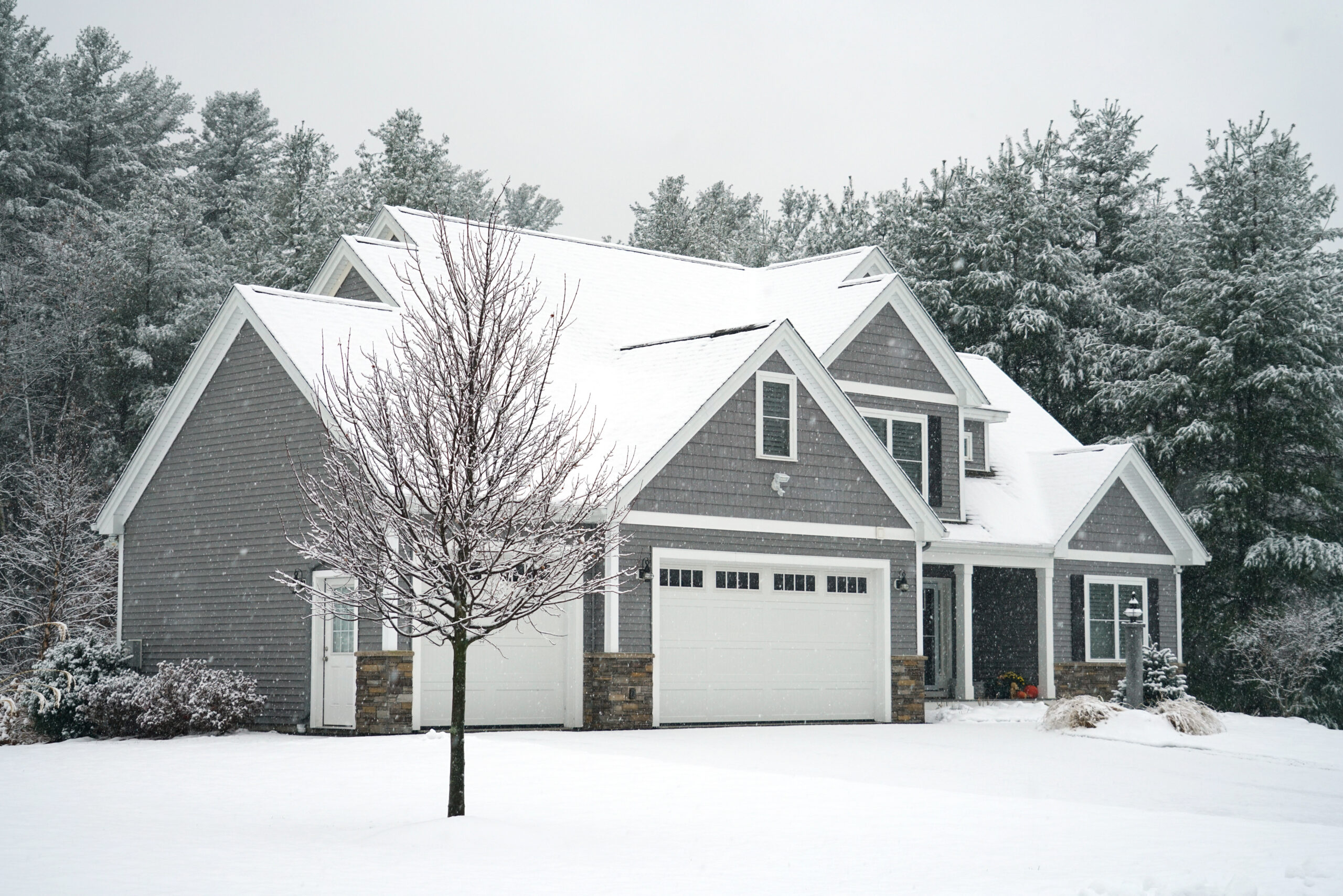
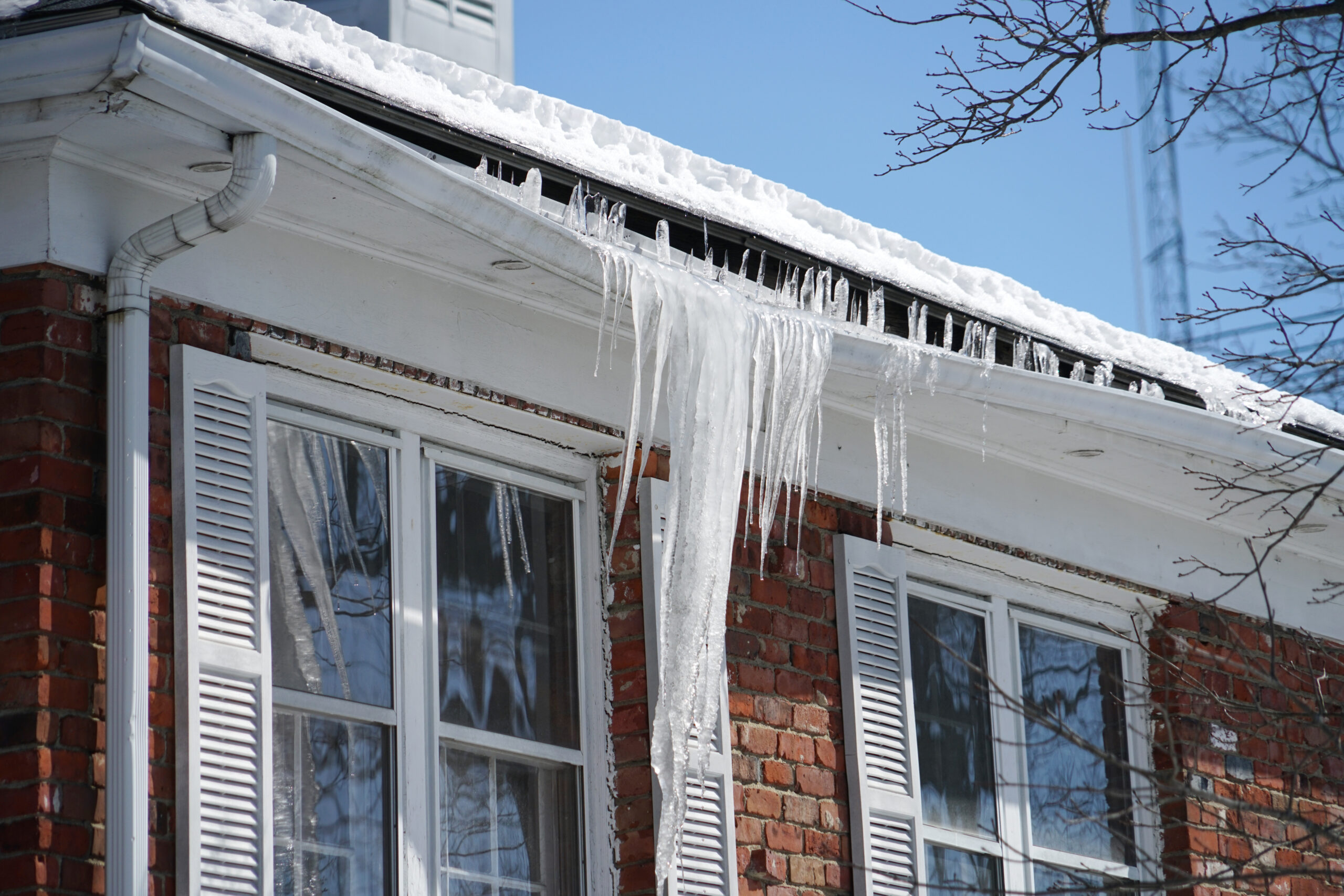
Heavy snow and ice can cause significant damage to your house. Snow and ice can crush your roof, cause branches to fall, and clog your gutters, creating ice dams.
Poor roof ventilation and a warm attic space are the main causes of ice dams. When snow melts on a warm roof, it creates water that freezes along the gutter’s edge. This then causes water to pool and seep through the roof into your home, potentially causing severe damage to your property.
Follow these tips to prevent snow and ice damage this winter:
- Clean your gutters before the first snowfall. Remove leaves, sticks, and other debris to keep water flowing freely and prevent ice dams from forming.
- Install gutter guards to minimize debris buildup throughout the winter.
- Use a roof rake to safely remove snow from your roof after each storm, reducing the risk of collapse or ice dam formation.
- Add a water-repellent membrane beneath your roof shingles to help stop melting snow from seeping into your home.
- Insulate your attic to keep warm air from escaping, which reduces the freeze-thaw cycles that cause ice dams.
- Monitor and clear your roof regularly following major snowfalls to prevent excessive snow accumulation.
For more information on ice dams, check out our blog post, Tips to Help Remove an Ice Dam from your Roof.
3. House fires:
Fall and winter holidays, such as Thanksgiving and Christmas, are among the most common days of the year for cooking fires. Furthermore, chimney and candle fires spike during the cold, winter months.
To avoid house fires this winter, take preventative measures such as these:
- Never leave flames unattended: Extinguish candles and fireplace embers before leaving a room or going to bed.
- Keep flammables away: Maintain at least three feet of space between open flames and items like curtains, decorations, and furniture.
- Stay in the kitchen while cooking: Monitor simmering, baking, or roasting foods closely to prevent grease or oven fires.
- Use proper ventilation: Turn on your stove’s exhaust fan or vent to help disperse smoke and reduce heat buildup.
- Inspect holiday lights: Replace any with broken sockets, frayed wires, or loose connections.
- Avoid overloading outlets: Plugging too many lights or appliances into one circuit can spark electrical fires.
- Keep a fire extinguisher nearby: Make sure it’s accessible and that everyone in your household knows how to use it.
For more information on chimney fires, check out our Fireplace Safety blog article.
4. Wind and Falling Tree Damage:
Winter storms often bring powerful winds that can cause trees or large branches to fall, leading to significant damage to roofs, siding, fences, and vehicles. Ice and snow accumulation can further weaken trees, increasing the risk during high winds.
To best prepare for wind and falling tree damage, follow these tips:
- Inspect and trim trees regularly: Remove dead or overhanging branches that could fall on your home, driveway, or power lines.
- Secure outdoor items: Store or tie down furniture, umbrellas, and decorations that could become airborne.
- Reinforce vulnerable structures: Check that your roof, siding, and fencing are in good condition to withstand strong winds.
- Maintain gutters and drainage: Clear leaves and debris to prevent blockages that can worsen water or roof damage after storms.
- Park vehicles safely: Avoid parking under large trees or near power lines during high wind advisories.
5. Personal injury liability:
An icy walkway can lead to liability concerns on your property. If someone were to slip and fall on your property, whether you invited them to your home or not, they could sue you. Falling icicles or tree branches can also pose a threat. To avoid liability concerns, shovel your driveway after a snowstorm and apply salt to reduce slipperiness. Furthermore, you should ensure you are adequately covered by homeowners’ liability insurance.
What does homeowners’ insurance cover in the winter?
- Damage from heavy snow accumulation on roofs or structures
- Harm caused by freezing rain or wind-driven snow
- Wind damage to your home’s exterior or roof
- Damage from fallen trees or branches during winter storms
- Ice-related damage, such as from ice dams on roofs
- Frozen or burst pipes leading to water damage
What isn’t covered?
- Flooding from melting snow or rain runoff
- Certain wind or hail damage, depending on your policy and region — always check for exclusions
- Negligence-related damage, such as frozen pipes or roof leaks that occur because proper preventative steps weren’t taken
- Losses occurring while the home is unoccupied, if your policy requires you to maintain the property
Winter can be a risky time for property owners. Make sure you are adequately prepared and insured. If you have any questions about protecting your home for this winter, call Deland, Gibson at (781) 237-1515.
Providing You Peace of Mind
Deland, Gibson: a Trusted Choice, Five Star Accredited independent insurance agency. Established in Massachusetts in 1900, Deland, Gibson is a 4th generation family-run insurance agency that has thrived working as a trusted advisor for its client base. We work with individuals and businesses to lower their Total Cost of Risk. We analyze a client’s direct and indirect costs and implement risk reduction plans to address areas of business, hazard, or strategic risk.