


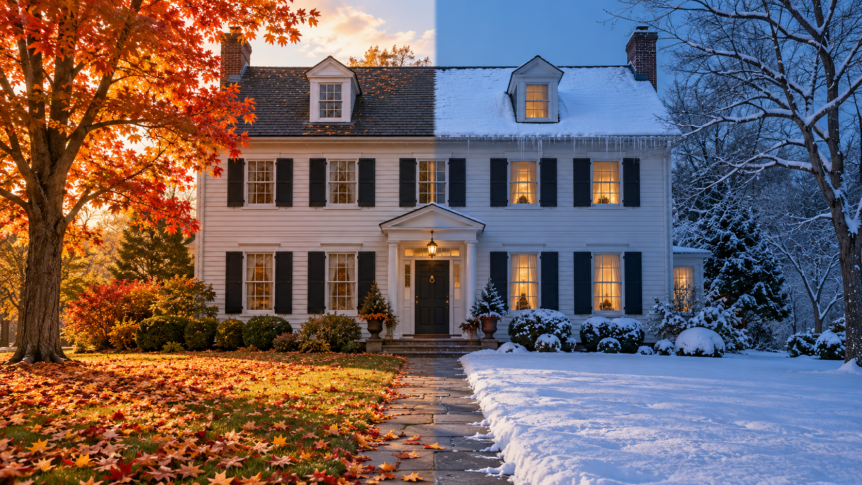
The first storm of the year catches almost everyone off guard. Drivers forget how to drive in snow. Heating systems fail on the first cold morning. A small leak that nobody fixed in October becomes a claim in January.
Most fall and winter losses follow the same patterns, and most can be addressed before the weather turns. Here is where to start.
Fall: Fix It Before It Freezes
Service your heating system before you start it
Your heating system has sat dormant since spring. Turning it on without a service visit is the most common fall mistake.
Soot losses often happen the first time a system fires up in the fall, and they can be catastrophic. Forced draft systems are more susceptible. Fire is the other risk. Over-fueling can cause a fuel explosion that breaches the firebox, and the fire gets out of the appliance and into the building.
This applies to homes and businesses equally. Many commercial properties already have service contracts on their equipment, so maintenance happens on a schedule. Homeowners often don’t have that, so the service call is easy to skip. Book it before you flip the switch.
Keep your gutters flowing
Clogged gutters back water up onto surfaces where it does damage. Water is hard on every part of a home, and it causes rot over time.
The bigger concern comes in winter. Backed-up water contributes to ice dams. Clean your gutters at least once a year. Depending on the ice situation on your roof, removing them may make more sense. This is mostly a homeowner issue, since it rarely drives commercial losses.
Winter: Where Small Problems Get Expensive
Leaks in systems that freeze
Some systems depend on staying sealed. When they leak, the water inside freezes. The system is damaged or destroyed, and it won’t work when you need it.
Some buildings keep adding air to a leaking system to keep it running. That treats the symptom. Find the leak and fix it.
Access around the building
Snow against a building slows everyone down. A commercial building needs clear access on every side, for employees, deliveries, and emergency crews.
Fire in cold weather
Cold reduces water delivery at hydrants. It also freezes people, trucks, and hoses, and it extends response times. A winter fire is harder to fight than a summer one, so preventing the fire matters most.
Ice dams
Heat escapes through the roof, and insulation never traps all of it. That heat melts the snow. The water runs down and refreezes at the cold roof edge, which forms a dam. The water has nowhere to go, so it backs up under the shingles and into the building.
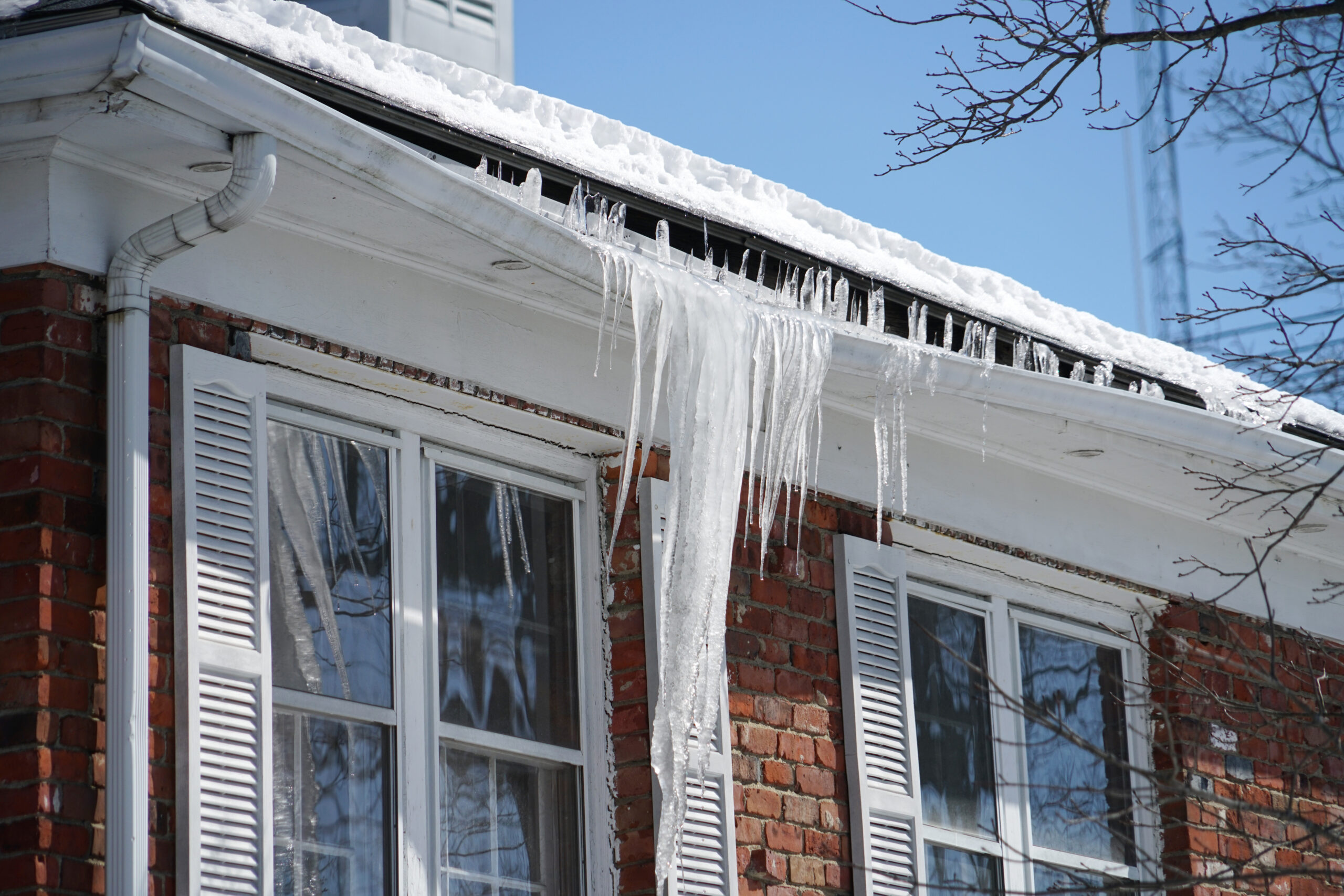
Then the ceilings, walls, and insulation have to come out, and everything has to dry. It is a messy, expensive repair.
Many carriers now apply ice dam deductibles, often per unit. Ice dam losses were heavy this past spring. Check your deductible before the snow arrives.
Winter driving
Salt stops working well below 15 degrees Fahrenheit. On the coldest days, expect black ice on roads that look wet.
- Tires. All-season tires are a compromise in both seasons. If you drive in storms, winter tires are the better choice.
- Four-wheel and all-wheel drive. They help you go. They don’t help you stop.
- Speed and distance. Slow down and leave more room. Or stay home.
Commercial carriers often offer driver training, including videos and libraries. It is worth using for any business with drivers on the road.
Frequently Asked Questions
Does my homeowners policy cover flooding from snowmelt?
Usually not. Property policies generally don’t cover surface water or groundwater unless an enhancement adds it. Separate flood insurance is often needed. Review your policy before assuming coverage exists.
What is an ice dam, and does insurance cover the damage?
An ice dam forms when melting snow refreezes at the roof edge and traps water behind it. The water damage may be covered, depending on your policy. Many policies carry an ice dam deductible, so check yours. Better insulation and ventilation are the better strategy.
Are frozen pipes covered?
Often, but every policy differs. Coverage may depend on whether you took reasonable precautions, such as maintaining heat.
Should I have my heating system serviced every year?
Yes. Service before the first fire-up lowers the risk of soot damage and fire. It also improves efficiency and extends equipment life.
Are power outages covered?
The outage itself is typically not the loss. Coverage depends on the cause, the resulting damage, and the coverages in your policy. Businesses may need business interruption, utility services, or dependent property endorsements.
Start the Conversation Before the First Storm
Most claims start with something small. A furnace that wasn’t serviced. A leak nobody fixed. A roof issue nobody noticed.
What would the first hard freeze expose at your property? Talk it through with a Deland, Gibson Risk Advisor before it arrives.