When people think about hurricanes, they often think about Florida or the Gulf Coast. But here in Massachusetts, we know firsthand that hurricanes and tropical storms can bring flooding, power outages, fallen trees, and significant property damage.
The question isn’t whether a major storm will make headlines this year. It’s whether your plan and insurance coverage are ready when one does.
At Deland, Gibson, many of the conversations we have with clients before hurricane season aren’t about the storm itself. They’re about the assumptions people make about their coverage.
Here are a few of the most important questions to consider before the next storm is on the radar.
“Would My Insurance Cover Hurricane Damage?”
The answer depends on what causes the damage.
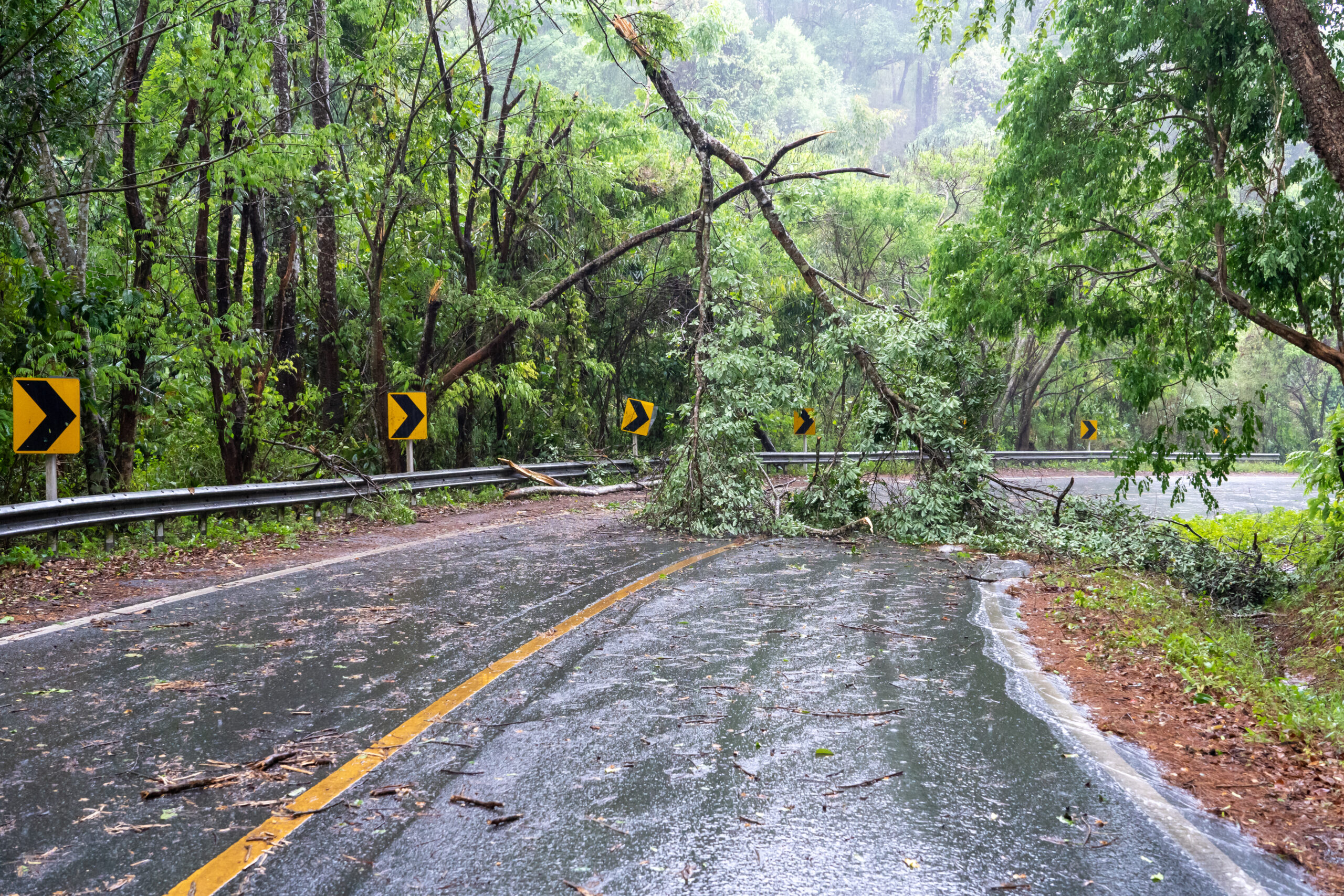
Most homeowners policies cover wind-related damage from a hurricane or tropical storm. If a tree falls on your home or wind damages your roof, your policy may respond, subject to its terms and deductible.
Flooding is different.
Many homeowners are surprised to learn that flood damage is generally not covered under a standard homeowners policy. If rising water enters your home from storm surge, heavy rainfall, or overflowing waterways, you’ll likely need a separate flood insurance policy for coverage.
The best time to understand these distinctions isn’t after the storm. It’s before one is approaching the coast.
Understanding Hurricane Deductibles
Many homeowners review their coverage limits but overlook their deductibles.
Depending on your carrier and location, hurricane or windstorm claims may be subject to a different deductible structure than other property losses. In some cases, that deductible is based on a percentage of your home’s insured value rather than a fixed dollar amount.
That’s why we encourage clients to review not only what their policy covers, but also what their financial responsibility would be if a large claim occurred.
Knowing that number ahead of time can prevent headaches later.
Do You Need Flood Insurance?
A common misconception is that flood insurance only matters for waterfront properties.
In reality, flooding can occur far from the coast. Heavy rainfall, overwhelmed drainage systems, and localized flooding can impact homes that aren’t located in high-risk flood zones.
Flood insurance isn’t the right solution for everyone, but it’s worth having a conversation about your property’s specific exposure rather than assuming you’re protected.
Five Ways to Prepare Before a Storm Arrives
1. Don’t Wait to Review Your Coverage
Once a storm is approaching, insurance carriers often restrict certain policy changes and new coverage requests.
Reviewing your policies now gives you time to understand potential gaps and make informed decisions.
2. Create a Home Inventory
Take photos or video of your home and valuable belongings.
Having documentation before a loss occurs can simplify the claims process and help support accurate valuations.
3. Secure Your Property
Trim trees, inspect your roof, secure outdoor furniture, and address any maintenance issues that could become larger problems during severe weather.
4. Build Your Emergency Supplies
Every household should have emergency supplies readily available, including water, food, medications, flashlights, batteries, and important documents.
5. Have a Family Plan
Know where you’ll go if evacuation becomes necessary and how family members will communicate if power or cell service is disrupted.
Preparation doesn’t eliminate risk, but it can significantly reduce the impact of an unexpected event.
Peace of Mind Starts Before the Storm
The strongest protection isn’t just insurance coverage. It’s understanding your risks before a claim ever happens.
Whether you have questions about flood insurance, deductibles, or your current homeowners policy, the Deland, Gibson team is here to help you make informed decisions and feel confident about your coverage.
Because when severe weather arrives, peace of mind comes from knowing you’re prepared.