



For many homebuyers, older properties come with undeniable charm: historic details, unique architecture, and character you can’t find in new construction. But behind the walls, these homes sometimes carry risks, particularly when it comes to outdated electrical systems. One of the most common culprits is knob and tube wiring.
Most insurance carriers consider knob and tube wiring outdated and unsafe, which makes securing homeowners insurance a challenge. If you’re purchasing (or already own) a property with this type of wiring, here’s how to navigate the process safely and effectively.
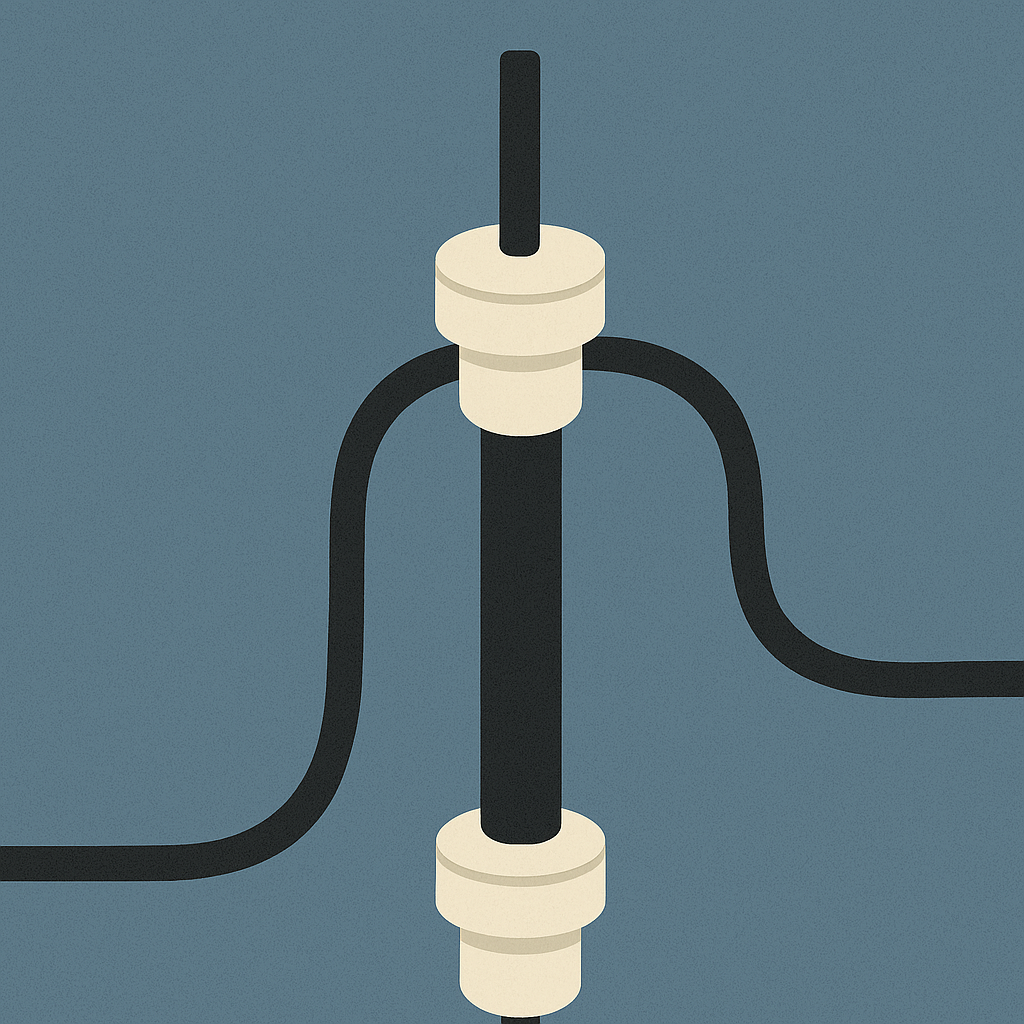
Why Knob & Tube Wiring Is a Problem for Insurance
Installed in homes built from the late 1800s through the 1930s, knob and tube was once a standard electrical method. Today, however, it’s widely viewed as hazardous because:
- It lacks grounding, increasing fire and shock risks.
- Insulation materials often deteriorate with age.
- It wasn’t designed for modern electricity demands.
Because of these issues, many insurers refuse to cover homes with knob and tube wiring under standard homeowners policies.
Step 1: Plan for Electrical Replacement
If you’re buying a home with knob and tube wiring, the first step is to plan for a full electrical upgrade:
- Hire a licensed electrician to replace the wiring as soon as possible. Ideally, schedule this work immediately after closing.
- Once the upgrade is complete, the home will qualify for standard homeowners insurance.
Not only does this improve safety, but it also positions you for better coverage and more competitive rates down the line.
Step 2: Secure Interim Coverage
Electrical replacement takes time, and you’ll need insurance in the meantime. Fortunately, there are short-term solutions available:
- Builder’s Risk Policy – Best suited if the project involves extensive renovations beyond the wiring.
- E&S (Excess & Surplus) Policy – Typically placed through carriers like Lloyd’s of London, these provide 3–6 months of temporary protection during the wiring replacement.
These interim policies protect your investment while ensuring you remain compliant with mortgage requirements.
Step 3: Transition to Permanent Coverage
Once the wiring is fully removed and certified by an electrician, your property becomes eligible for a traditional homeowners policy. At this stage:
- Coverage options expand significantly.
- Premiums are generally lower and more favorable than with temporary policies.
- You can move forward with peace of mind knowing your home is properly protected.
The Bottom Line
Buying a home with knob and tube wiring doesn’t have to be a dealbreaker—but it does require planning. By scheduling a prompt electrical upgrade, securing interim coverage, and transitioning to a permanent policy once the work is complete, you can protect both your property and your investment.
At Deland, Gibson, we specialize in guiding homeowners through these transitions and connecting them with the right coverage options at every stage. If you’re considering a property with knob and tube wiring, reach out to our team and we’ll help you build a plan that keeps your home safe and insurable.
Providing You Peace of Mind
Deland, Gibson: A Trusted Choice, Five Star Accredited independent insurance agency. Established in Massachusetts in 1900, Deland, Gibson is a 4th generation family-run insurance agency that has thrived working as a trusted advisor for its client base. We work with individuals and businesses to lower their Total Cost of Risk. We analyze a client’s direct and indirect costs and implement risk reduction plans to address areas of business, hazard, or strategic risk.