


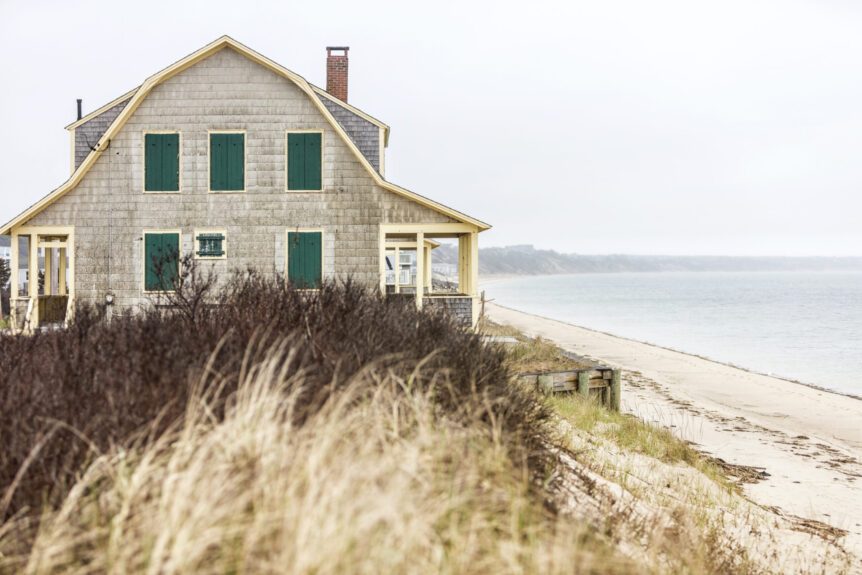
Cape Cod living offers something truly special: access to the ocean, small-town charm, and a sense of community that’s hard to find elsewhere. But owning property near the water also means dealing with unique exposures that standard insurance policies don’t always cover.
From flooding and high winds to salt air and erosion, the risks of coastal living require specialized protection and proactive planning. Whether you live on the Cape year-round, own a vacation home, or rent out your property seasonally, understanding your insurance needs is key to protecting your investment.
If you’re unsure where to start, connect with Nanci Cicchetti, Deland, Gibson’s local Cape Cod Risk Advisor, for personalized guidance on coastal coverage options. She specializes in helping Cape homeowners find protection that fits their property and lifestyle.
Contact Nanci here.
Why Coastal Insurance Is Different
Living by the ocean offers beauty and lifestyle perks, but it also brings unique risks that standard insurance may not cover. Coastal homeowners face challenges from salt air, flooding, hurricanes, and high winds.
This guide breaks down the essentials of getting the right coverage and explains what to look for in a policy designed to protect your coastal investment.
What to Look for in Coastal Coverage

Wind & Hurricane Protection
Not all standard homeowners policies include hurricane-force wind coverage. On Cape Cod, where nor’easters and tropical storms can deliver serious gusts, make sure your policy specifically protects against wind and wind-driven rain damage.
Flood Insurance
Flooding is one of the most frequent and costly natural disasters in Massachusetts, and flood coverage is not included in standard homeowners insurance. It must be purchased separately through FEMA’s National Flood Insurance Program (NFIP) or a private insurer.
Replacement Cost Coverage
For higher-value homes, replacement cost coverage ensures you can rebuild or repair without depreciation. This is particularly important in coastal areas where materials and labor costs can surge after storms.
High Deductible Options
Coastal homes often come with windstorm deductibles ranging from 2–5% of the home’s insured value. Understanding how these percentages translate into out-of-pocket costs before a storm hits can help you plan financially and avoid surprises.
Not sure what coverage you need?
Nanci Cicchetti, our Cape Cod-based advisor, can review your current policies and identify any coastal coverage gaps before storm season hits.
Find Nanci’s contact Information here.
Why Coastal Living Requires a Different Kind of Coverage
When you live or vacation near the water, you face a unique set of risks that inland homeowners simply don’t. Wind, flooding, and erosion are constant considerations, and even mild storms can cause significant damage. The geography of the Cape, surrounded by the Atlantic on one side and Cape Cod Bay on the other, means weather systems often pack extra punch.
Many Cape homeowners are surprised to discover that their standard homeowners policy doesn’t automatically include coverage for all coastal risks. High-value waterfront homes, for example, may have different underwriting requirements or higher deductibles. Understanding these nuances before damage occurs can make all the difference when you need to file a claim.
Flood Insurance: What Every Cape Cod Homeowner Should Know
Flooding is one of the most common and costly natural disasters in Massachusetts. Even a few inches of water can cause tens of thousands of dollars in damage. Yet flood insurance remains one of the most misunderstood coverages out there.
A common misconception is that flood damage is covered under a standard homeowners insurance policy. It’s not. Flood coverage must be purchased separately, either through the National Flood Insurance Program (NFIP) or through a private insurer. Private policies may offer higher limits and shorter waiting periods, which can be valuable for homeowners with higher-value properties.
Your home’s specific flood risk depends on factors like elevation, proximity to water, and FEMA flood zone maps. A trusted insurance advisor can help you review these details and determine the level of coverage that fits your needs and risk tolerance.
If your property sits near the shoreline or in a designated flood zone, reach out to Nanci Cicchetti for a local perspective on flood risk and coverage options that make sense for your area.
Get in touch with Nanci.
The Wind Factor: Hurricanes, Nor’easters, and Your Policy
Cape Cod’s location makes it particularly vulnerable to high winds and heavy rains. Nor’easters and hurricanes can cause major damage through roof loss, fallen trees, and flying debris.
Some insurance carriers exclude wind coverage in coastal areas or apply a separate “windstorm deductible,” which is often a percentage of the home’s insured value rather than a flat amount. For example, a 2% deductible on a $600,000 home means you’d be responsible for $12,000 of the damage.
That’s why it’s crucial to know what’s in your policy before the next storm season. At Deland, Gibson, we review our clients’ coverage regularly, helping them understand what’s covered, what’s excluded, and how to close any gaps.
Seasonal Homes, Rentals, and Second Properties
Many Cape Cod homes aren’t primary residences; they’re second homes, summer retreats, or rental properties. These situations create different exposures that require thoughtful planning.
If your home sits vacant for much of the year, it’s more vulnerable to issues like frozen pipes, undetected leaks, or vandalism. A standard homeowners policy may limit coverage if a property is unoccupied for long periods. Similarly, if you rent your home to short-term guests, your liability risk increases.
Specialty endorsements or landlord coverage can help protect you in these cases. We often recommend adding umbrella liability coverage as well, especially for high-value properties or rental situations, to safeguard against larger claims or lawsuits.
For help tailoring coverage to your second home or rental property, consult with Nanci Cicchetti. She works directly with Cape homeowners to customize protection for unique property uses.
Contact Nanci here.
Partnering with Local Experts Who Understand Cape Cod
Insurance for coastal living isn’t a one-size-fits-all process. Each property is unique, and each town, from Sandwich to Wellfleet, has its own topography, zoning rules, and local risk factors.
Working with an independent agency that knows the Cape inside and out can save you time, money, and stress. Deland, Gibson has decades of experience helping New Englanders navigate complex insurance needs, particularly in coastal areas. Our advisors work directly with top-rated carriers, allowing us to compare options and craft policies designed specifically for coastal homeowners.
We believe the right coverage should give you confidence, not confusion. Whether you’re protecting your year-round residence or a cherished summer getaway, our team is here to make sure you’re covered from shoreline to street.
Final Thoughts: Protecting What Makes Cape Cod Home
Owning a home on Cape Cod is a privilege and an investment worth protecting. Coastal living brings beauty and opportunity, but also requires a clear-eyed approach to insurance planning.
A well-structured policy provides more than financial security; it brings peace of mind through every season.
To learn more about how to protect your Cape Cod home, reach out to Nanci Cicchetti, our designated and local Cape Cod Risk Advisor. Nanci can help you review your current coverage, identify coastal risks, and find the right solutions for your home.
Contact Nanci here.